

Introduction to Homemade Ciabatta Bread Recipe
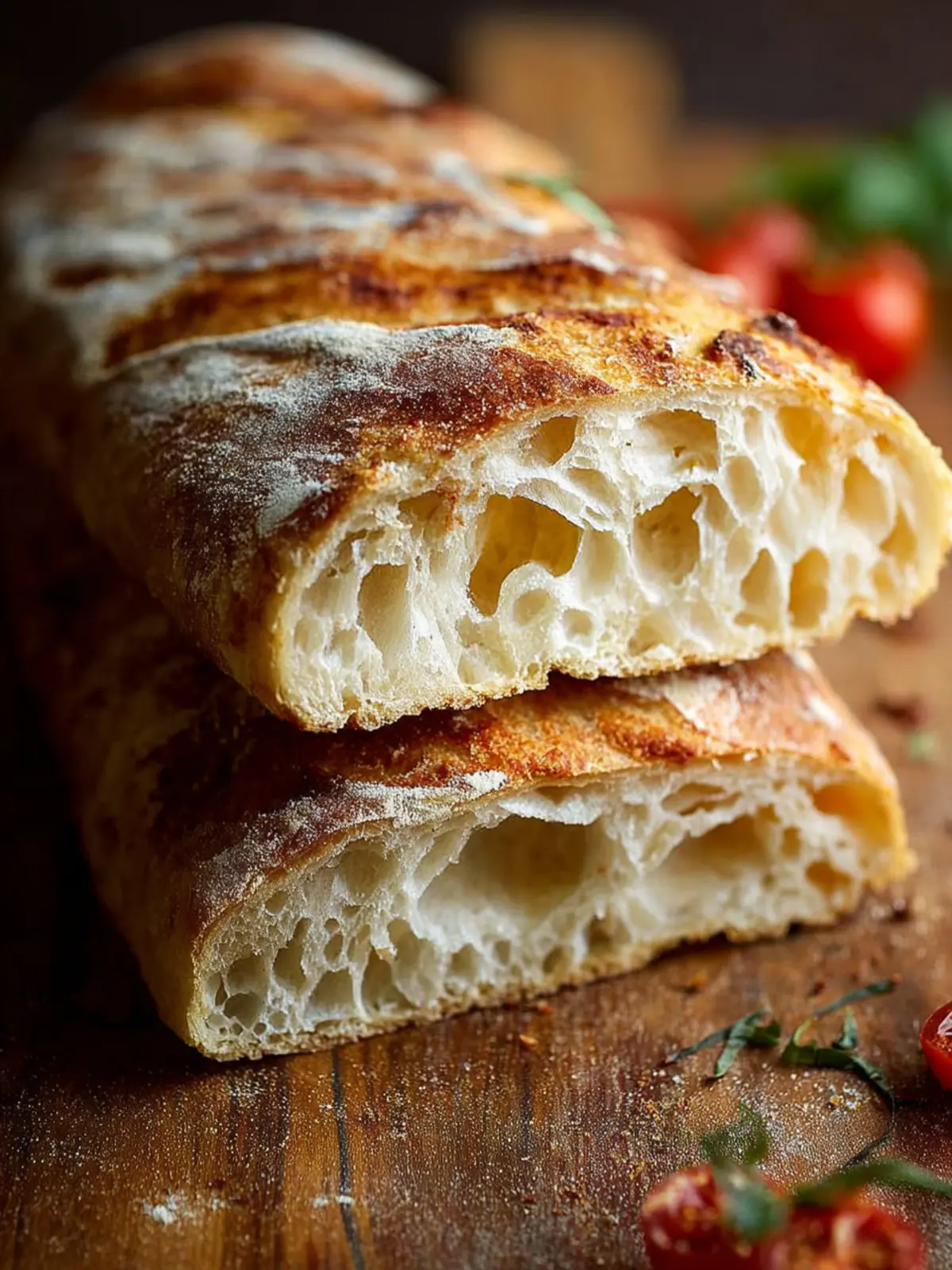
Imagine walking into a kitchen filled with the warm, inviting scent of freshly baked bread, the kind that beckons you to take a seat and savor every bite. That’s the magic of a homemade ciabatta bread recipe. This iconic Italian loaf, with its rustic crust and airy crumb, captures the heart of artisan baking in a way few breads can. Baking ciabatta at home not only fills your kitchen with delightful aromas but also empowers you to connect with the traditional methods that make this simple loaf so extraordinary.
Why should you consider diving into the world of homemade ciabatta? For starters, nothing compares to the satisfaction of creating something delightful from scratch. The process allows you to explore and understand the science of baking, from the rise of the dough to the crusty exterior developed in a hot oven. Homemade ciabatta is far more than just a loaf; it’s an experience that transforms your kitchen into a warm Italian bakery.
Moreover, the health benefits are hard to ignore. When you bake at home, you control the ingredients, ensuring that your bread is free from preservatives and additives that store-bought varieties often contain. You can experiment with different flours, add seeds, or even infuse flavors to create something uniquely yours. Plus, ciabatta pairs wonderfully with olive oil, cheeses, or fresh vegetables—perfect for mastering the art of Italian cuisine right in your own kitchen.
Ultimately, embarking on this baking adventure is about honing your culinary skills while relishing the joy of creating something both comforting and nourishing. So roll up your sleeves and get ready to embrace the wonderful world of homemade ciabatta bread recipe. Trust me, your taste buds will thank you!
Why You Should Try Baking Ciabatta at Home
- Freshness Guaranteed: Enjoy bread that’s warm and fresh from the oven.
- Customized Texture and Flavor: Tailor the seasoning and ingredients to your liking.
- Satisfying Experience: Experience the joy of baking as a mindful and rewarding activity.
Get ready to uncover the secrets of creating this Italian masterpiece in your very own kitchen!

Key Ingredients for Homemade Ciabatta Bread Recipe
Crafting the perfect homemade ciabatta bread recipe feels like a delightful journey through an Italian bakery. Each essential ingredient plays a vital role in creating that iconic crust and airy crumb.
Flour: The backbone of your ciabatta, I recommend using a high-protein all-purpose flour or bread flour. This gives your bread that chewy texture and helps it develop those beautiful bubbles.
Water: Hydration is crucial in this recipe. Using warm water not only helps activate the yeast but also allows for better gluten development, resulting in a lighter loaf.
Yeast: I typically use active dry yeast for its reliable rise. Mixing it with warm water brings it to life, ensuring your dough doubles in size.
Salt: A key player, salt enhances flavor and strengthens the gluten structure. Just the right amount balances the sweetness of the bread without overwhelming it.
Olive Oil: This ingredient adds richness and flavor. A drizzle mixed into the dough gives the bread that slight fruity aroma that pairs beautifully with any meal.
By ensuring each of these key ingredients is at the forefront of your preparation, you set the stage for a delicious experience that will have everyone coming back for more.
Why You’ll Love This Homemade Ciabatta Bread Recipe
The effortless approach to fresh bread at home
Imagine waking up to the irresistible aroma of freshly baked ciabatta bread wafting through your kitchen. With this homemade ciabatta bread recipe, that dream can become a reality without the stress of complicated baking techniques. This recipe invites you into the world of artisan bread-making, where simplicity shines and flavor takes center stage.
Crafting this delightful bread is easier than you might think. Using just a handful of ingredients—flour, water, yeast, and salt—you can create a masterpiece. The beauty lies in the long fermentation process which develops the dough’s flavor and creates those signature air pockets, making each bite a delightful experience.
Not only does homemade ciabatta taste infinitely better than store-bought, but it also allows you to customize it to your heart’s content. Want to add herbs, olives, or cheese? Go for it! The flexibility of this recipe will have you experimenting like a pro in no time.
So gather your ingredients, roll up your sleeves, and let the magic of homemade ciabatta bread elevate your culinary skills. Trust me—your taste buds will thank you!
Variations for Homemade Ciabatta Bread Recipe
Twist on the classic ciabatta
While the homemade ciabatta bread recipe shines with its classic simplicity, don’t hesitate to sprinkle some creativity into the mix. There are numerous ways to give this cherished bread a flavorful twist!
Herb-Infused Ciabatta: Incorporate fresh herbs like rosemary or thyme directly into the dough. Not only do they elevate the aroma, but they also impart a delightful taste that pairs perfectly with soups and salads.
Olive and Sun-Dried Tomato Ciabatta: Chopping up some olives and sun-dried tomatoes can create a Mediterranean flair. This variation adds a savory and slightly tangy dimension, making it a fabulous companion for antipasto platters.
Cheesy Delight: Adding grated or cubed cheese—such as parmesan, mozzarella, or feta—creates a gooey, savory center. The melted cheese strands can turn your homemade ciabatta bread into the perfect sandwich base.
Whole Grain Twist: For a healthier option, swap out a portion of all-purpose flour with whole-grain flour. This not only provides added nutrition but enhances the texture and flavor profile of your ciabatta.
Feel free to experiment with these variations or combine a few ideas for a signature loaf that’s uniquely yours! Whether you stick to the classic or try something new, homemade ciabatta is sure to impress.
Cooking Tips and Notes for Homemade Ciabatta Bread Recipe
Creating a loaf of homemade ciabatta bread is not just about following a recipe; it’s about crafting an experience that fills your kitchen with warmth and the enticing aroma of freshly baked bread. Here are some invaluable tips to ensure your ciabatta turns out with that signature crust and airy texture.
Best practices for achieving that perfect crust and texture
Use a Bench Scraper: Handling the wet dough can be tricky. A bench scraper helps you manage the dough without incorporating too much additional flour, preserving its delicate structure.
Don’t Rush the Fermentation: Allowing your dough to ferment slowly is crucial. A longer fermentation time enhances flavor development and creates a more bubbly crumb. Overnight fermentation in the fridge works wonders!
Steam for Crust: Introducing steam in the first few minutes of baking gives that desired crisp crust. You can achieve this by placing a pan of water in the oven or spraying water on the walls of the oven right after placing the loaf inside.
Perfect Timing: Bake until the bread reaches a deep golden-brown color. An instant-read thermometer should register about 200°F in the center.
By applying these techniques, your efforts to create the perfect homemade ciabatta bread will surely pay off with a crusty exterior and a light, airy interior. Enjoy the process, and happy baking!

Serving Suggestions for Homemade Ciabatta Bread Recipe
When you’re savoring your homemade ciabatta bread, the delightful aroma fresh from the oven instantly elevates your culinary experience. This artisanal bread isn’t just for enjoying plain; it opens the door to a world of delicious serving options that can impress anyone at your table.
Enjoying your fresh bread in various ways
Sandwiches: Use your ciabatta to create gourmet sandwiches. Think roasted vegetables, fresh mozzarella, and balsamic glaze for a vegetarian delight or thinly sliced prosciutto and arugula with a touch of mustard for a savory treat.
Bruschetta: Slice the ciabatta, toast it lightly, and top with a mixture of diced tomatoes, garlic, basil, and olive oil. It’s a heavenly appetizer that showcases your bread beautifully.
Dipping: Serve your ciabatta alongside a variety of dips, like hummus, pesto, or olive tapenade. Your guests will love tearing off pieces to soak up those rich flavors.
Soups and Salads: This versatile bread complements a warm bowl of minestrone or a crisp salad, adding a delightful chewiness that enhances each bite.
Incorporating your homemade ciabatta bread into these serving suggestions not only highlights its texture but also creates a memorable meal that everyone will enjoy.
Time Breakdown for Homemade Ciabatta Bread Recipe
Creating the perfect homemade ciabatta bread is not just about the ingredients; it’s also about understanding the time commitment. Each step contributes to that delicious crust and airy interior you’re aiming for.
Preparation time
Before diving into the dough, set aside about 30 minutes for preparation. This includes mixing your ingredients and shaping the dough into its initial form.
Rising time
Patience is key! The first rise usually takes around 1 to 1.5 hours. You want the dough to double in size, so it’s worth waiting a bit longer if necessary.
Baking time
Once the dough has risen beautifully, it will take about 25-30 minutes to bake in the oven until golden brown.
Total time
From start to finish, expect the entire process to take about 2 to 2.5 hours. Give yourself that time, and you’ll savor the artisanal experience of crafting your own homemade ciabatta bread!
Nutritional Facts for Homemade Ciabatta Bread Recipe
When you dive into making homemade ciabatta bread, it’s essential not only to savor the delightful aroma of fresh-baked bread filling your kitchen but also to understand the nutritional aspects of your creation. Here’s a quick breakdown of what goes into your delicious loaf.
Calories
One serving of homemade ciabatta bread typically contains around 150 calories. This makes it a wonderful choice for a satisfying snack or a delightful addition to your meals without overwhelming your calorie intake.
Protein
You can expect about 4 grams of protein per slice. This modest amount contributes to your daily protein needs, making your homemade ciabatta bread recipe an excellent partner for toppings like avocado or turkey.
Sodium
Finally, the sodium count is relatively low, usually around 200 milligrams per serving. This is friendly for those watching their salt intake while still allowing for that comforting flavor profile. Enjoy it fresh and hot, knowing you’re indulging mindfully!
FAQs about Homemade Ciabatta Bread Recipe
Crafting your own homemade ciabatta bread recipe can truly transform your kitchen into a delightful Italian bakery. Yet, as you embark on this baking journey, questions might arise. Let’s tackle some common concerns to ensure your ciabatta turns out perfect!
Can I make ciabatta without a stand mixer?
Absolutely! While a stand mixer can make the process easier, especially when it comes to kneading, it’s not mandatory. You can simply mix the ingredients in a large bowl and knead the dough by hand. It might take a little longer to develop that desired gluten structure, but it is definitely possible. Just make sure your hands are well-floured to manage the dough’s stickiness.
What should I do if my dough is too sticky?
Sticky dough is often a hallmark of ciabatta, but there are ways to manage it. If you find your dough is excessively sticky, try dusting it lightly with flour as you knead. This will make it easier to handle without altering the bread’s texture too much. Additionally, letting the dough rest can help it absorb the moisture, making it less tacky. Remember that a wet dough leads to those delightful airy holes we love in ciabatta!
How do I store ciabatta bread for freshness?
To keep your homemade ciabatta bread fresh, it’s best to wrap it in a clean kitchen towel and store it at room temperature. Avoid using plastic wrap, as this can create moisture and lead to a soggy crust. If you want to store it for a longer period, freeze the ciabatta in a freezer-safe bag. Just remember to let it thaw at room temperature before enjoying for the best taste and texture!
Conclusion on Homemade Ciabatta Bread Recipe
Your homemade ciabatta bread experience starts here, beckoning you to explore the delightful world of baking. After you embrace the artisan technique of shaping and rising, you’ll savor the crusty exterior and soft, airy interior that defines this beloved Italian loaf. Picture serving warm slices with olive oil or fresh bruschetta, turning an ordinary meal into an extraordinary one. Remember, each loaf you make is a step toward mastering this timeless craft. So roll up those sleeves and embark on your next baking adventure, where the aroma of fresh bread will invigorate your home and your senses!
Your next baking adventure awaits!
Print
Ciabatta Bread
- Total Time: 1 hour 40 minutes
- Yield: 1 loaf 1x
- Diet: Vegetarian
Description
A classic Italian bread known for its crispy crust and soft, airy interior.
Ingredients
- 3 cups (360g) all-purpose or bread flour
- 1 ¼ tsp salt
- 1 tsp instant yeast
- 1 cup (240ml) lukewarm water
- 1 tbsp olive oil (for greasing)
Instructions
- Make the Dough: In a large bowl, whisk together the flour, salt, and yeast. Add the lukewarm water and stir with a spoon or spatula until a soft, sticky dough forms. It should look rough but uniform. Cover with a damp towel or plastic wrap.
- First Rise (1 hour): Let the dough rise at room temperature for about 1 hour, or until doubled in size and bubbly on top.
- Fold and Rest Again (30 minutes): Lightly flour your surface and gently turn out the dough. Fold it over itself 2–3 times to create a loose rectangle. Transfer it to a floured parchment-lined baking sheet. Dust the top lightly with flour and cover loosely. Let rise for 30 more minutes.
- Preheat and Bake: Preheat your oven to 450°F (230°C). Bake the bread for 22 to 25 minutes, or until the crust is golden and the loaf sounds hollow when tapped on the bottom.
- Cool and Serve: Let the ciabatta cool completely on a wire rack before slicing to preserve the texture.
Notes
- Ensure water is lukewarm to help activate the yeast.
- Cool completely before slicing for the best texture.
- Prep Time: 15 minutes
- Cook Time: 25 minutes
- Category: Bread
- Method: Baking
- Cuisine: Italian
Nutrition
- Serving Size: 1 slice
- Calories: 150
- Sugar: 0g
- Sodium: 300mg
- Fat: 2g
- Saturated Fat: 0g
- Unsaturated Fat: 1g
- Trans Fat: 0g
- Carbohydrates: 30g
- Fiber: 1g
- Protein: 5g
- Cholesterol: 0mg